
You are here
Note-Taking in the Dark
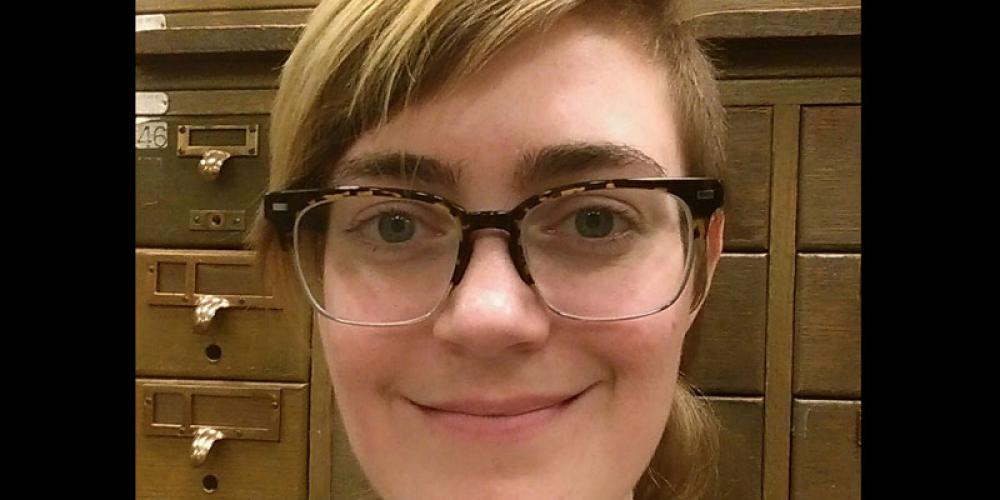
In October, 2014, nine graduate students from the UW iSchool’s LIS 570 Research, Assessment and Design, decided to make choreographer David Roussève’s evening-length work, Stardust, which was being presented as part of the UW World Series, the subject of a research project on dance as information. One of the students, Greta Pittenger, describes the experience.
My encounter with David Roussève’s Stardust did not begin as the typical audience experience.
Throughout my life I have often sought out artistic enrichment, either through attending galleries and performances around Seattle or specific events on campus while I was an undergraduate. But I came to David Roussève/REALITY through a course on research methods in the study of information science.
This fall, I began my first year in the UW Information School’s Master of Library and Information Science program. My background is in the arts and humanities – scientific research methods and topics are intimidating to me. So when an opportunity to do research on the intersection of information and dance came up in class, I jumped at it, both baffled and intrigued. It seemed to be at once conceptually challenging and personally rewarding. Part of my decision to study library and information science lay in its interdisciplinary nature. This opportunity seemed to get at the heart of that.
In fact, Roussève’s career focus on multimedia art and communication through artistic expression mirrored so many interests and passions of mine. Prior to seeing the actual performance, I had the pleasure of hearing Roussève speak about his process in our class and present a dance/video collaboration he did with artist Cari Ann Shim Sham. I also attended the pre-show talks with Shim Sham. Opportunities such as these, to engage more deeply with the artists, proved especially rewarding, both for my academic needs and for my own personal fulfillment.
The performance itself was astounding, and I had the pleasure of seeing it multiple times. Because I was observing for research purposes, furiously taking barely-legible notes in the dark, I was both detached from but also more aware of my emotional response. Even as a self-proclaimed lover of the arts, I get bored sometimes; not every work can grab everyone all the time. However, Stardust was unlike most things I’ve seen: a work of complexity and beauty, a study in contradictions: lovely and violent, warm yet harsh, inviting and repulsive. I was captivated—it alienated me at times; it made me uncomfortable, but it held my gaze and challenged me to look inward and question truths about myself and my relationship to the world that I take for granted.
I believe this kind of empathetic confrontation is something that the arts are unique in embodying. Art creates empathy and a way of exploring the world in a new way – free from any immediate repercussions – and its purpose is to communicate a different, and therefore difficult, point of view. It offers a safety net while still pushing its audience off the ledge.
Roussève’s work affected me and others in my research group in ways that surprised us, and ultimately changed our research for the better, making it richer and inspiring us to explore this side of the field even more.
As a student at the UW, I have the luxury and privilege of having access to opportunities that will continue to enrich my life now, and in the future. It has been such an integral part of my growth as a person to participate in events such as David Roussève’s Stardust that are not normally included in my curriculum. I am sincerely grateful to everyone in the community who makes outreach and engagement with the UW World Series possible. Support for this program demonstrates our human desire to be witness to beauty in art, as well as interact and learn from the artists who bring these fantastic expressive forms to our city.